Work gloves are crucial in the workplace primarily for injury prevention, as they act as a vital protective barrier between a worker's hands and numerous hazards. They are a core component of Personal Protective Equipment (PPE) and their use is often mandated by safety regulations.
Key Reasons Why Work Gloves are Important Injury Prevention:
The most significant reason is preventing common, often severe, hand injuries. Statistics show that a large percentage of hand injuries occur because workers were not wearing gloves or were wearing the wrong type.
Protection Against Specific Hazards: Different glove materials offer protection against a variety of workplace risks: Mechanical
Risks:
Protection from cuts, abrasions, punctures (e.g., from sharp objects, machinery, or tools). Chemical/Biological
Hazards:
Shielding hands from contact with hazardous substances, solvents, chemicals, and biohazards like bloodborne pathogens to prevent burns, irritation, or absorption.
Thermal Extremes:
Insulating hands from extreme heat (e.g.,
welding, handling hot surfaces) or cold (e.g., cold storage, outdoor work) to prevent burns or frostbite.
Electrical Hazards:
Providing insulation against electric shocks for workers in electrical fields. Vibration: Certain gloves offer anti-vibration padding to help prevent long-term conditions like hand-arm vibration syndrome (HAVS).
Enhanced Grip and Dexterity:
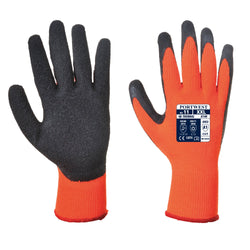
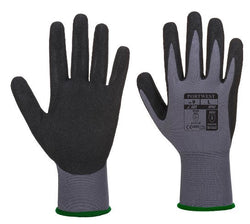
Many modern work gloves feature specialized coatings or textured surfaces that improve grip on tools and materials, especially in wet or oily conditions. This reduces the risk of accidents caused by dropped objects and improves overall control and efficiency.
Hygiene and Contamination Control:
In fields like healthcare, food service, and laboratories, gloves prevent the spread of germs, dirt, and bacteria, protecting both the wearer and others from contamination.
Regulatory Compliance:
Occupational safety and health regulations, such as those from the Occupational Safety and Health Administration (OSHA) in the US, mandate that employers provide and ensure the use of appropriate hand protection when hazards are present. Non-compliance can lead to legal implications and fines.
Conclusion:
Work gloves are essential because they prevent pain, injury, and potential long-term health problems for workers. They also contribute to a more efficient and compliant workplace by reducing accidents, lost workdays, and medical expenses. Selecting the correct type and size of glove for the specific task and hazard is paramount to ensuring they provide the necessary protection and do not hinder the worker's ability to perform their job effectively.